

As a supplier of centrifugal fans, I've witnessed firsthand the importance of extending the lifespan of these essential devices. Centrifugal fans are widely used in various industries, from HVAC systems to industrial processes, and their reliability and longevity can significantly impact operational efficiency and cost-effectiveness. In this blog post, I'll share some practical tips on how to extend the lifespan of a centrifugal fan, drawing on my experience in the industry.
1. Proper Installation
The first step in ensuring a long lifespan for your centrifugal fan is proper installation. Incorrect installation can lead to a range of issues, including vibration, noise, and premature wear and tear. Here are some key points to consider during installation:
- Level and Stable Mounting: Ensure that the fan is mounted on a level and stable surface. This helps to prevent excessive vibration, which can damage the fan's components over time. Use appropriate mounting hardware and follow the manufacturer's instructions carefully.
- Correct Alignment: Proper alignment of the fan's motor and impeller is crucial. Misalignment can cause uneven stress on the bearings and shaft, leading to premature failure. Use alignment tools to ensure that the motor and impeller are perfectly aligned.
- Adequate Clearance: Provide sufficient clearance around the fan for proper airflow. Blocked or restricted airflow can cause the fan to overheat, reducing its lifespan. Make sure there are no obstructions in the intake or exhaust areas of the fan.
2. Regular Maintenance
Regular maintenance is essential for keeping your centrifugal fan in optimal condition. By performing routine checks and maintenance tasks, you can identify and address potential issues before they become major problems. Here are some maintenance tasks to include in your regular schedule:
- Cleaning: Keep the fan and its components clean to prevent the buildup of dust, dirt, and debris. Use a soft brush or compressed air to remove any loose particles from the impeller, motor, and housing. Regular cleaning helps to maintain proper airflow and reduces the risk of overheating.
- Lubrication: Check the lubrication levels of the fan's bearings regularly and add lubricant as needed. Proper lubrication reduces friction and wear on the bearings, extending their lifespan. Follow the manufacturer's recommendations for the type and frequency of lubrication.
- Belt Tension: If your fan uses a belt drive, check the belt tension regularly and adjust it as needed. A loose or tight belt can cause excessive vibration and premature wear on the belt and pulley. Use a belt tension gauge to ensure that the belt is properly tensioned.
- Inspection of Electrical Components: Inspect the fan's electrical components, such as the motor, wiring, and switches, for any signs of damage or wear. Loose connections, frayed wires, or overheating components can pose a safety hazard and reduce the fan's lifespan. Replace any damaged components immediately.
3. Optimal Operating Conditions
Operating the centrifugal fan under optimal conditions can significantly extend its lifespan. Here are some factors to consider:
- Temperature and Humidity: Keep the operating temperature and humidity within the recommended range for the fan. High temperatures and humidity can cause the motor to overheat and the bearings to corrode, reducing the fan's lifespan. Use environmental controls, such as air conditioning or dehumidifiers, to maintain optimal conditions.
- Air Quality: Ensure that the air entering the fan is clean and free of contaminants. Dust, dirt, and other particles can cause abrasion and wear on the impeller and other components. Use air filters to remove these contaminants from the air before it enters the fan.
- Load and Speed: Operate the fan at the recommended load and speed. Overloading the fan or operating it at a higher speed than recommended can cause excessive stress on the components, leading to premature failure. Follow the manufacturer's specifications for the maximum load and speed of the fan.
4. Monitoring and Troubleshooting
Regular monitoring of the fan's performance can help you detect any potential issues early and take corrective action. Here are some monitoring techniques and troubleshooting tips:
- Vibration Monitoring: Use vibration sensors to monitor the fan's vibration levels. Excessive vibration can indicate a problem with the fan's alignment, balance, or bearings. If you notice an increase in vibration levels, stop the fan immediately and inspect it for any signs of damage.
- Temperature Monitoring: Monitor the temperature of the fan's motor and bearings using temperature sensors. Overheating can cause damage to the motor and bearings, reducing the fan's lifespan. If you notice a significant increase in temperature, check for any blockages in the airflow or other potential causes.
- Performance Monitoring: Monitor the fan's performance, such as airflow, pressure, and power consumption, regularly. Any significant changes in these parameters can indicate a problem with the fan. If you notice a decrease in performance, inspect the fan for any signs of damage or wear.
5. Use of High-Quality Components
Using high-quality components in your centrifugal fan can significantly extend its lifespan. When selecting a fan, choose a reputable manufacturer that uses high-quality materials and components. Here are some components to consider:
- Motor: The motor is the heart of the centrifugal fan. Choose a motor that is designed for the specific application and has a high efficiency rating. A high-quality motor will be more reliable and have a longer lifespan.
- Impeller: The impeller is responsible for generating the airflow. Choose an impeller that is made of high-quality materials and has a well-designed shape. A high-quality impeller will be more efficient and have a longer lifespan.
- Bearings: The bearings support the fan's shaft and allow it to rotate smoothly. Choose bearings that are designed for the specific application and have a high load capacity. High-quality bearings will be more reliable and have a longer lifespan.
Conclusion
Extending the lifespan of a centrifugal fan requires a combination of proper installation, regular maintenance, optimal operating conditions, monitoring, and the use of high-quality components. By following these tips, you can ensure that your centrifugal fan operates reliably and efficiently for many years to come.
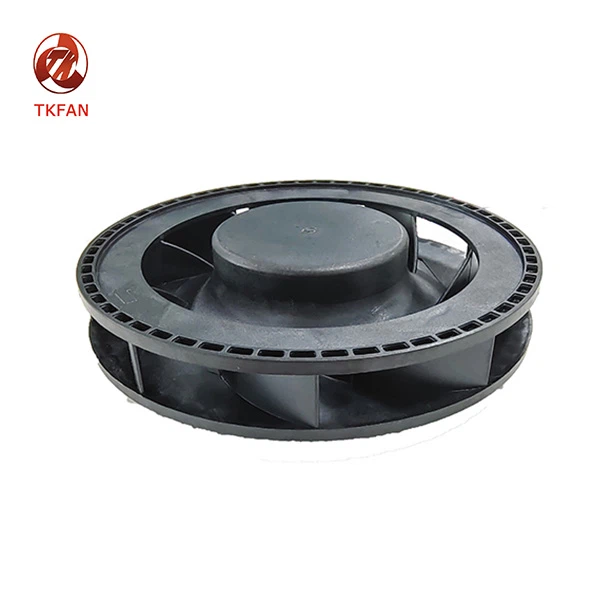
If you're in the market for a centrifugal fan, we offer a wide range of high-quality products, including DC Brushless Centrifugal Fan, Centrifugal Turbo Fan, and DC Centrifugal Fan 24V. Our fans are designed to meet the highest standards of quality and performance, and we're committed to providing our customers with the best possible service. Contact us today to learn more about our products and how we can help you with your centrifugal fan needs.

References
- ASHRAE Handbook - HVAC Systems and Equipment. American Society of Heating, Refrigerating and Air-Conditioning Engineers.
- Industrial Fan Manual. Air Movement and Control Association International, Inc.
- Fan Engineering: The Application, Selection, and Testing of Fans. Buffalo Forge Company.